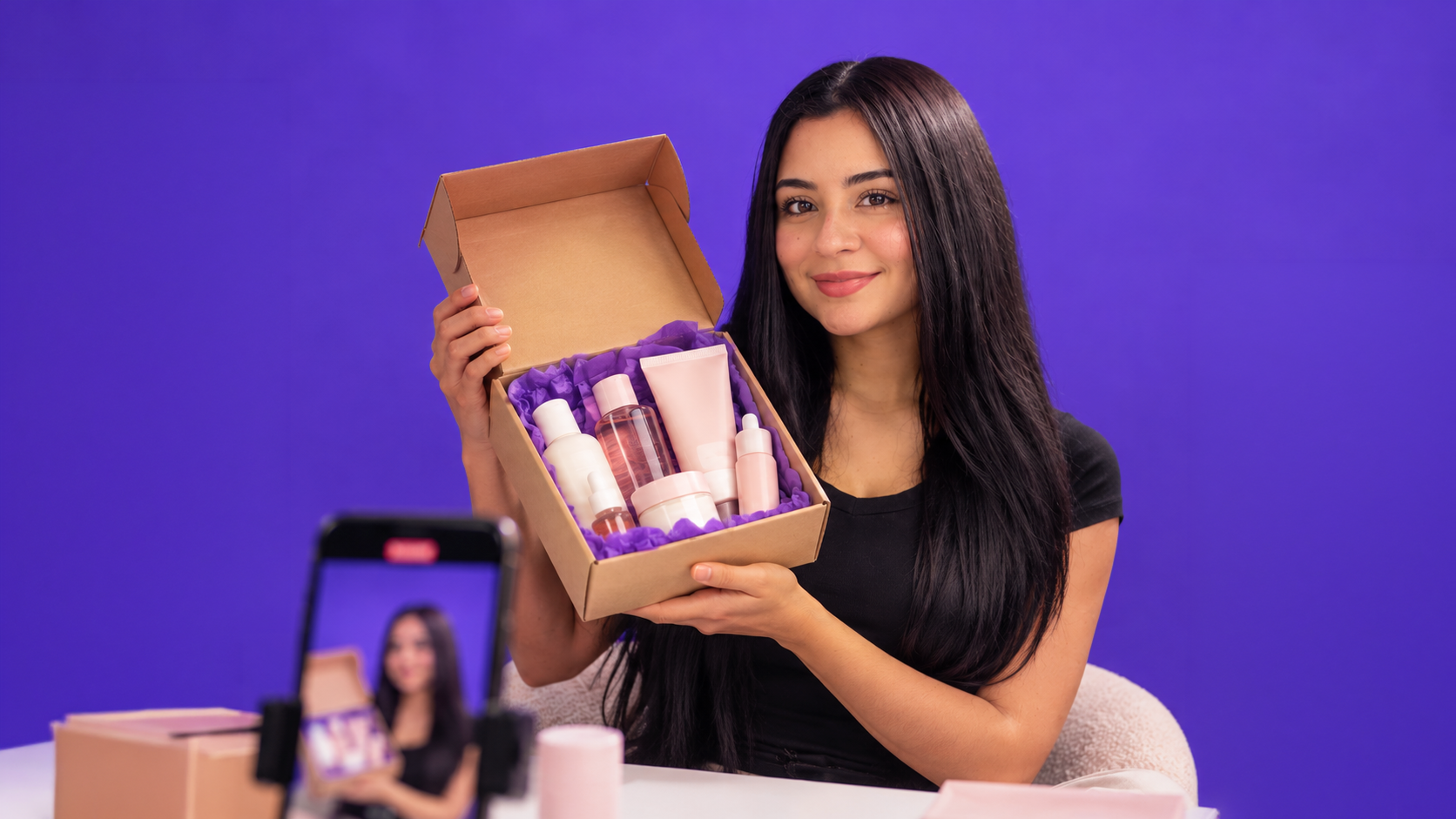
As brands plan their 2027 marketing strategies, user-generated content (UGC) has become an important part of the creative mix. For brands reaching U.S. Hispanic audiences, Spanish-speaking and bilingual creators can help produce content that feels natural to the people it is meant to reach.
The U.S. Latino market represents a significant economic opportunity. In 2023, Latino purchasing power reached $4.1 trillion, while Latino GDP reached $4.0 trillion, according to the Latino Donor Collaborative. These figures are a reason to invest thoughtfully in the market—not to assume one message or language will resonate with everyone. (Latino Donor Collaborative)
UGC creators and influencers serve different roles
The term “UGC” is often used broadly. In this article, UGC creators are people hired to produce brand-related content that a company can use on its own channels, website, or paid campaigns. They do not necessarily publish the content to their own followers.
Influencer campaigns typically include distribution to a creator’s audience, in addition to content production. A creator may offer both services, but brands should be clear about which deliverables and rights they are paying for.
• UGC asset production: The brand pays for content, such as short-form videos, testimonials, product demonstrations, or photos, and uses it on agreed channels.
• Influencer marketing: The brand partners with a creator to reach their audience through sponsored or collaborative posts.
• Combined campaigns: The brand commissions content and also pays for the creator to publish it to their audience.
Knowing which model you need helps set the right budget, brief, and performance expectations.
Mari Gutierrez’s self-care post offers an example of creator-led content with a Spanish-language caption. When evaluating creators, consider how their tone and content category fit your brief. This post is an illustrative example, not evidence of a commissioned UGC campaign; paid usage and distribution rights must be agreed separately.
How to find Spanish-speaking UGC creators
Finding the right creator takes more than searching for Spanish-language content. Consider the audience, location, dialect, category, format, and the creator’s natural style.
Search with local context
Search social platforms using relevant Spanish-language terms, local expressions, and category-specific phrases. Language varies by region and community, so validate that a phrase fits the audience you want to reach. For example, aguas can mean “watch out” in some contexts; a direct, word-for-word translation may miss that meaning.
Use specialized creator networks
Creator databases and specialist networks can help brands find and vet creators by language, location, content category, and audience fit. FAMOSOS Ads and FAMOSOS Management connect brands with Latino creators for campaigns focused on U.S. Hispanic audiences.
Set expectations during negotiation
UGC agreements should define what the creator will produce and how the brand may use it. A clear agreement helps both sides understand the scope before production begins.
Discuss:
1. Compensation and deliverables: Specify the fee and exactly what it covers, such as the number of videos, photos, edits, alternate hooks, or raw footage. Treat gifted products as compensation only when both parties explicitly agree.
2. Usage rights: Define the platforms, territories, and time period for organic and paid use. Include any creator-handle authorization or ad whitelisting rights if needed.
3. Exclusivity and revisions: State whether category exclusivity applies, how many revision rounds are included, and what additional edits or footage will cost.
Brief and activate content for paid campaigns
A strong brief gives creators direction while leaving room for their own voice. Include the campaign objective, target audience, product details, required claims or disclosures, format, call to action, and any key brand guidelines.
Specify the intended language—Spanish, English, or Spanglish—and explain the audience context. Avoid scripts that sound like direct translations. Instead, share message points, possible hooks, and examples of the tone you want, then let creators express the idea naturally.
Set a clear review process. Focus feedback on accuracy, required messaging, brand safety, and the strength of the opening hook. Avoid rewriting every line if the content already meets the brief.
Once assets are approved, test different hooks, formats, and edits against the campaign objective. Use paid amplification only within the rights agreed with the creator. Track relevant measures—such as video retention, click-through rate, or cost per acquisition—based on the role each asset is meant to play.
Scale UGC campaigns with FAMOSOS
Finding creators is only one part of a successful campaign. Brands also need clear briefs, usage rights, efficient approvals, and a plan for testing and measuring content.
FAMOSOS helps brands connect with Latino creators and develop creator-led campaigns for U.S. Hispanic audiences. With cultural insight and campaign infrastructure, teams can plan and manage creator partnerships from sourcing through reporting.